
Sophie Whitfield · on 18 July 2026 · 8 min read · Last reviewed 18 July 2026
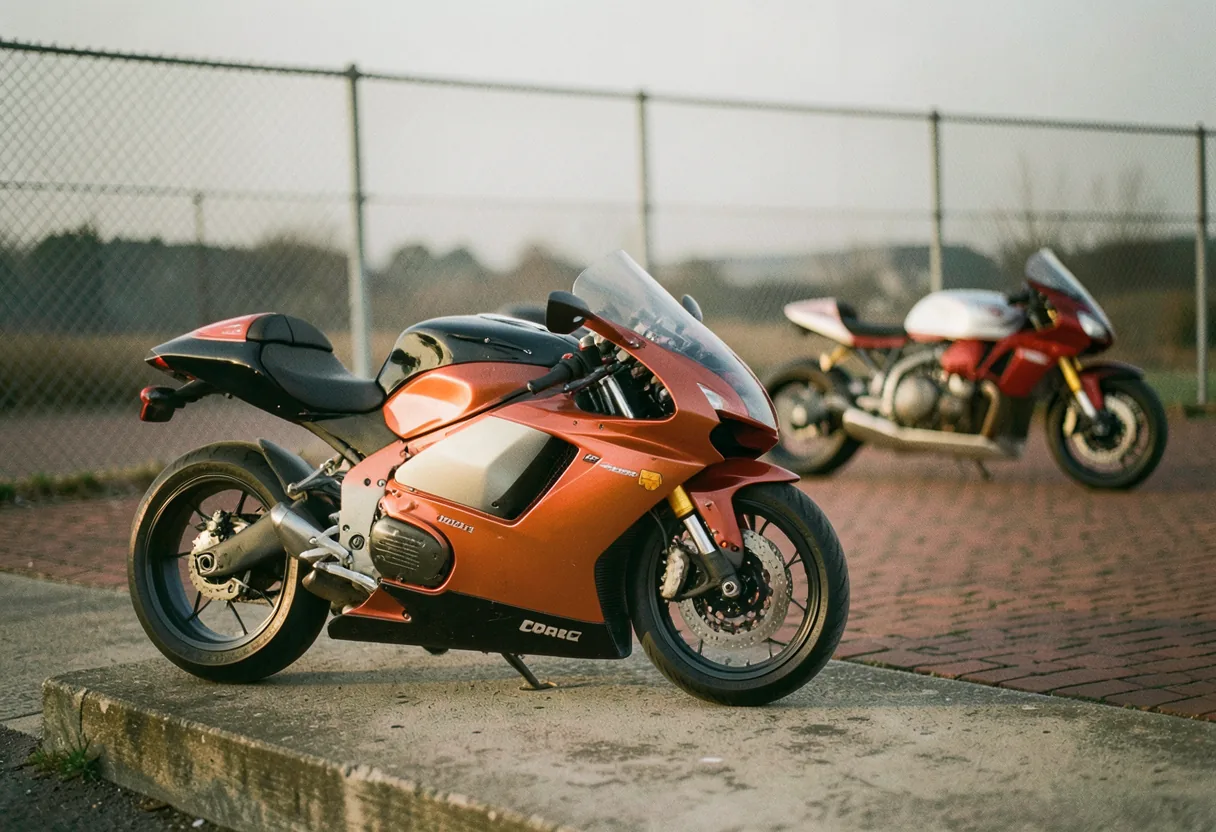
The Ducati 916 is a fully faired sport bike produced by Ducati from 1994 to 1998, renowned for its 916 cc liquid-cooled 90° V-twin engine and iconic design.
- The Ducati 916 was designed by Massimo Tamburini, who also designed the Ducati Monster and MV Agusta F4.
- It was the first Ducati to use fuel injection, replacing the previous carbureted systems.
- The bike’s top speed was approximately 260 km/h (162 mph), with a 0-100 km/h (0-62 mph) time of around 3.9 seconds.
- Only about 13,000 units were produced, making it a highly collectible model today.
Ducati 916 for sale in the UK: what to expect
If you’re looking for a Ducati 916 for sale in the UK, prices typically range from a typical market rate to a typical market rate depending on condition, mileage, and provenance. Original models with full service history and rare colours like the Ducati 916 yellow command premium prices, while project bikes or those needing restoration can be found at the lower end of the spectrum. The Ducati 916 Senna, a limited-edition model honouring the late Formula 1 driver Ayrton Senna, is particularly sought after and can exceed a typical market rate.
Restoring a Ducati 916: costs and considerations
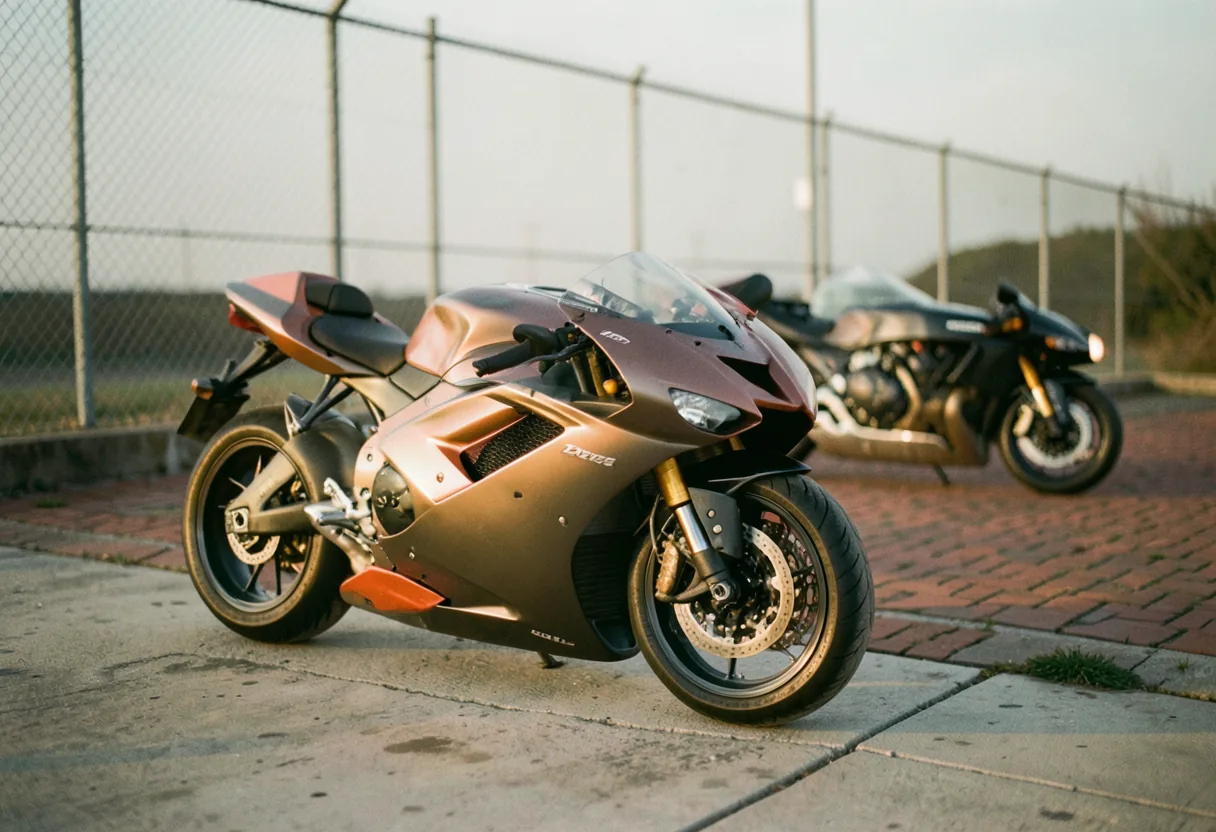
Restoring a Ducati 916 can be a rewarding but expensive endeavour. According to specialist restorers, a full restoration can cost between a typical market rate and a typical market rate depending on the extent of the work required. Key areas to focus on include the engine, frame, and bodywork. Original parts can be hard to find, and sourcing them may require patience and a network of contacts within the Ducati community. Labour costs for skilled mechanics familiar with classic Ducatis can be high.
In my experience, restoring a Ducati 916 is not just about bringing a bike back to life but also preserving a piece of motorcycle history. The first time I really looked at a restored 916, I was struck by the attention to detail required, everything from the trellis frame to the single-sided swingarm needs to be in pristine condition to do the bike justice.
- A full engine rebuild can cost between a typical market rate and a typical market rate.
- Bodywork restoration, including repainting, can range from a typical market rate to a typical market rate.
- Sourcing original parts can take several months, depending on availability.
- Labour costs for skilled mechanics can be between a typical market rate and a typical market rate per hour.
Ducati 916 specifications: engineering a legend
The Ducati 916 specs include a 916 cc liquid-cooled 90° V-twin engine producing around 118 horsepower and 90 Nm of torque. The bike featured a lightweight trellis frame, single-sided swingarm, and fully adjustable suspension. Its fuel-injected system was advanced for its time, contributing to its performance and reliability. The Ducati 916 top speed of around 260 km/h (162 mph) made it one of the fastest production bikes of its era.
Ducati 916 riding experience: handling and comfort
Riding a Ducati 916 is an experience that combines raw power with agile handling. The bike’s lightweight trellis frame and fully adjustable suspension provide a responsive and dynamic ride. However, the riding position can be demanding, with a low handlebar and rear-set footpegs that place the rider in a committed, sporty stance. This setup is ideal for spirited riding but may be less comfortable for long distances or city commuting.
- The Ducati 916’s lightweight trellis frame weighs just 11 kg (24 lbs).
- The bike’s fully adjustable suspension allows for fine-tuning to suit different riding styles.
- The riding position is aggressive, with a low handlebar and rear-set footpegs.
- The bike’s fuel-injected system was advanced for its time, contributing to its performance and reliability.
| Specification | Ducati 916 | Ducati Monster |
|---|---|---|
| Engine | 916 cc V-twin | 948 cc V-twin |
| Horsepower | 118 hp | 115 hp |
| Torque | 90 Nm | 90.5 Nm |
| Weight | 180 kg (397 lbs) | 183 kg (403 lbs) |
| Suspension | Adjustable USD forks, single shock | Adjustable USD forks, single shock |
| Brakes | Dual 320 mm discs, 2-piston calipers | Dual 320 mm discs, 4-piston calipers |
| Riding Position | Sporty, aggressive | Upright, comfortable |
How fast does a Ducati 916 go?
A Ducati 916 can reach a top speed of approximately 260 km/h (162 mph), with acceleration from 0-100 km/h (0-62 mph) in around 3.9 seconds. These figures were impressive for the mid-1990s and cemented the 916’s reputation as a performance powerhouse.
Is a Ducati 916 reliable?
In my experience, the Ducati 916 is generally reliable for a bike of its age, but like any classic machine, it requires diligent maintenance. The desmodromic valve system, while innovative, can be high-maintenance and may need frequent checks. However, with proper care and servicing, a Ducati 916 can provide many years of riding pleasure. According to Ducati enthusiasts, regular oil changes and valve adjustments are crucial to keeping the bike in top condition.
Ducati 916 vs. modern V4: Corse DNA evolution
Ducati’s modern V4 models, particularly the Panigale V4 R and Corse R Spec, trace their origins to the Ducati 916. The Corse DNA is evident in the V4’s race-bred performance, advanced electronics, and aerodynamic design. While the 916 was groundbreaking for its time, the V4 R offers superior power, technology, and track capabilities.
- The Panigale V4 R produces 234 horsepower, significantly more than the 916’s 118 horsepower.
- The V4 R features advanced electronics like traction control, wheelie control, and quick-shifter, which were not available on the 916.
- Both bikes share Ducati’s signature V-twin engine layout, but the V4 R uses a 90° V4 configuration.
- The Panigale V4 R is designed for track use, while the 916 was intended as a road-legal sport bike.
Ducati 916 vs. Panigale V4 R: performance comparison
| Specification | Ducati 916 | Panigale V4 R |
|---|---|---|
| Engine | 916 cc V-twin | 998 cc V4 |
| Horsepower | 118 hp | 234 hp |
| Torque | 90 Nm | 112 Nm |
| Top Speed | 260 km/h (162 mph) | 310 km/h (193 mph) |
| Weight | 180 kg (397 lbs) | 175 kg (386 lbs) |
| Suspension | Adjustable USD forks, single shock | Fully adjustable Öhlins forks, Öhlins shock |
| Brakes | Dual 320 mm discs, 2-piston calipers | Dual 330 mm discs, Brembo Stylema calipers |
| Electronics | Fuel injection | Full IMU, traction control, wheelie control, quick-shifter |
Ducati 916 vs. Panigale V4 R: who is it for?
Ducati 916 appeals to enthusiasts and collectors valuing classic design and engineering. It offers a raw, analog riding experience that modern bikes can’t replicate. However, its age and maintenance requirements make it less practical for daily use. The Panigale V4 R, on the other hand, is ideal for riders seeking cutting-edge technology and track performance. It offers superior power, electronics, and aerodynamics, making it a formidable machine on the racetrack.
Ducati 916’s one real drawback is its lack of modern amenities like traction control and ABS, which can make it less forgiving for less experienced riders. The Panigale V4 R, while more advanced, comes with a higher price tag and steeper learning curve.
Ducati 916 maintenance: essential tips
Maintaining a Ducati 916 requires attention to detail and regular servicing. Essential maintenance tasks include regular oil changes, valve adjustments, and checking the desmodromic valve system. According to Ducati's recommended maintenance schedule, oil changes should be performed every 7,500 km (4,660 miles) or at least once a year, while valve adjustments are required every 15,000 km (9,320 miles). Additionally, keeping the bike’s electrical system in good condition is crucial, as older wiring can degrade over time.
- Oil changes should be performed every 7,500 km (4,660 miles) or at least once a year.
- Valve adjustments are required every 15,000 km (9,320 miles).
- The desmodromic valve system requires frequent checks and adjustments.
- Keeping the electrical system in good condition is crucial for the bike’s reliability.
How to choose between a Ducati 916 and a Panigale V4 R
To choose between a Ducati 916 and a Panigale V4 R, consider your riding style, budget, and priorities. If you value classic design, heritage, and a purist riding experience, the 916 is the clear choice. For those focused on performance, technology, and track use, the V4 R is the better option.
- Riding Style: Choose the 916 for road riding and nostalgia; opt for the V4 R for track days and competitive riding.
- Budget: The 916 is more affordable to purchase and maintain, while the V4 R requires a higher investment.
- Maintenance: The 916 demands more frequent and specialized maintenance, whereas the V4 R benefits from modern engineering and reliability.
- Electronics: If advanced rider aids are important to you, the V4 R’s suite of electronics is unmatched.
- Resale Value: Both bikes hold their value well, but the 916’s collectability may make it a better long-term investment.
Ducati 916: a timeless icon
Celebrated for its design, performance, and cultural impact, the 916 model represents a timeless Ducati icon. Whether you’re a collector, enthusiast, or simply appreciate engineering excellence, the 916 offers a unique riding experience that bridges the gap between classic and modern Ducati.
For those seeking to own a piece of motorcycle history, the Ducati 916 is a must-consider. Its blend of style, performance, and heritage makes it different among sport bikes. If you’re attracted to the Corse DNA and the spirit of Italian engineering, the 916 is a bike that will continue to inspire and excite for generations.
Learn more about Ducati’s history by reading our article on the Ducati 996 specifications and historical comparison..
Frequently asked questions
How much horsepower does a Ducati Panigale V4 R have?
The Ducati Panigale V4 R produces around 234 horsepower at 15,750 rpm. This is achieved through its 998cc Desmosedici Stradale R engine, optimized for track performance.
What's the difference between Ducati and Ducati Corse?
Ducati Corse is the racing division of Ducati, focusing on MotoGP and World Superbike Championship efforts. It develops high-performance components and race bikes, while Ducati handles road-legal motorcycles.
How much is the Ducati Panigale V4 R 2026?
Pricing for the 2026 Ducati Panigale V4 R isn't available yet. However, the 2024 model starts around a typical market rate so expect a similar or slightly higher range for the 2026 version.
What is the price of v4r?
The Ducati Panigale V4 R typically costs around a typical market rate for the latest model. Prices can vary based on market conditions, dealerships, and optional add-ons.